We are constantly bombarded by constantly changing information on what we should and shouldn’t be eating and it’s as simple as glance around and you’ll see a new diet or diet plan making the news. Nearly one in four British adults are classified as obese and with alarming figures at almost half of men and 43% of females predicted to be obese , it’s no wonder that the diet, health and fitness industry is thriving.
We’ve been eating as cavemen by following the Paleo diet and eating only for a week following the 5:2 diet. What should we expect from our diets in future?
Insect Diet
Insect consumption, also known as entomophagy to give it its full title is regarded as normal in some areas in the world, however the British taste buds are a bit more cautious about eating insects. According to estimates, approximately two billion people worldwide eat insects, ranging from weaver ants in Thailand and termites in African nations and yellow wasp larvae in Japan. Insects are a rich source of protein and micronutrients like iron and zinc. They also require less space than livestock and are able to endure droughts and yield large quantities of. In fact, insects have the same or even more in nutritional value as the meat we are used to eating. There are over 1,900 edible insects this means there’s plenty of variety. The Nordic Food Lab is a non-profit research center that explores the possibility that insects could become a major food source. Could we be serving up creepy crawlies at mealtimes in Britain in the near future? With population figures estimated to reach as high as nine billion by 2050, something needs to be done to alleviate the stress off our current production of protein and meat and if that means eating bugs , then that’s fine.
 Low FODMAP Diet
The majority of immune system function is controlled by the gut. Australian researchers are currently investigating a brand new way of eating that has been proven scientifically to boost gut health and reduce bad symptoms. FODMAP is a reference to:
- Fermentable Foods that are quickly digested by stomach.
- Oligosaccharides Foods including fructans and galachtans, such as wheat and some vegetables and legumes.
- Disaccharides Milk and other dairy products are among the foods that contain sugar lactose
- Monosaccharides Foods, including fructose
- Polyols Artificial sweeteners.
They can be difficult to digest, leading to disruption of healthy microbiota in the digestive. Professor Peter Whorwell is Professor of Medicine at Manchester University Medical School. He explains that “changes to the gut microbiota are connected to joint pain as well as depression, inflammation as well as anxiety.” In 74% of the cases symptoms improved after low FODMAP diets were examined.
The most harmful foods are:
- Certain fruits like apples, pears, cherries, figs, watermelon, nectarines, apricots and avocados.
- Honey.
- Milk and milk-based products such as yogurt, ice cream and soft cheeses.
- Wheat and Rye bread.
- Pasta.
- One vegetable, such as garlic, onions sweetcorn, sweetcorn and beetroot.
- Legumes.
These are some of the most delicious foods:
- Spelt bread and sourdough.
- Rice noodles.
- Rice of all kinds
- Polenta.
- Oats porridge.
- Some cheeses such as, cheddar, mozzarella camembert, feta cottage cheese.
- Certain nuts, such as pecans, macademia, pinenuts and walnuts.
- Seeds.
- Tofu.
- Quorn.
- Also, you can find aubergine, green beans, green peppers, green beans, green tomatoes, green parts of spring onions, chilli, and ginger, in addition to others.
- Some fruits like blueberries, bananas, oranges, strawberries, and pineapple.
- Dark chocolate.
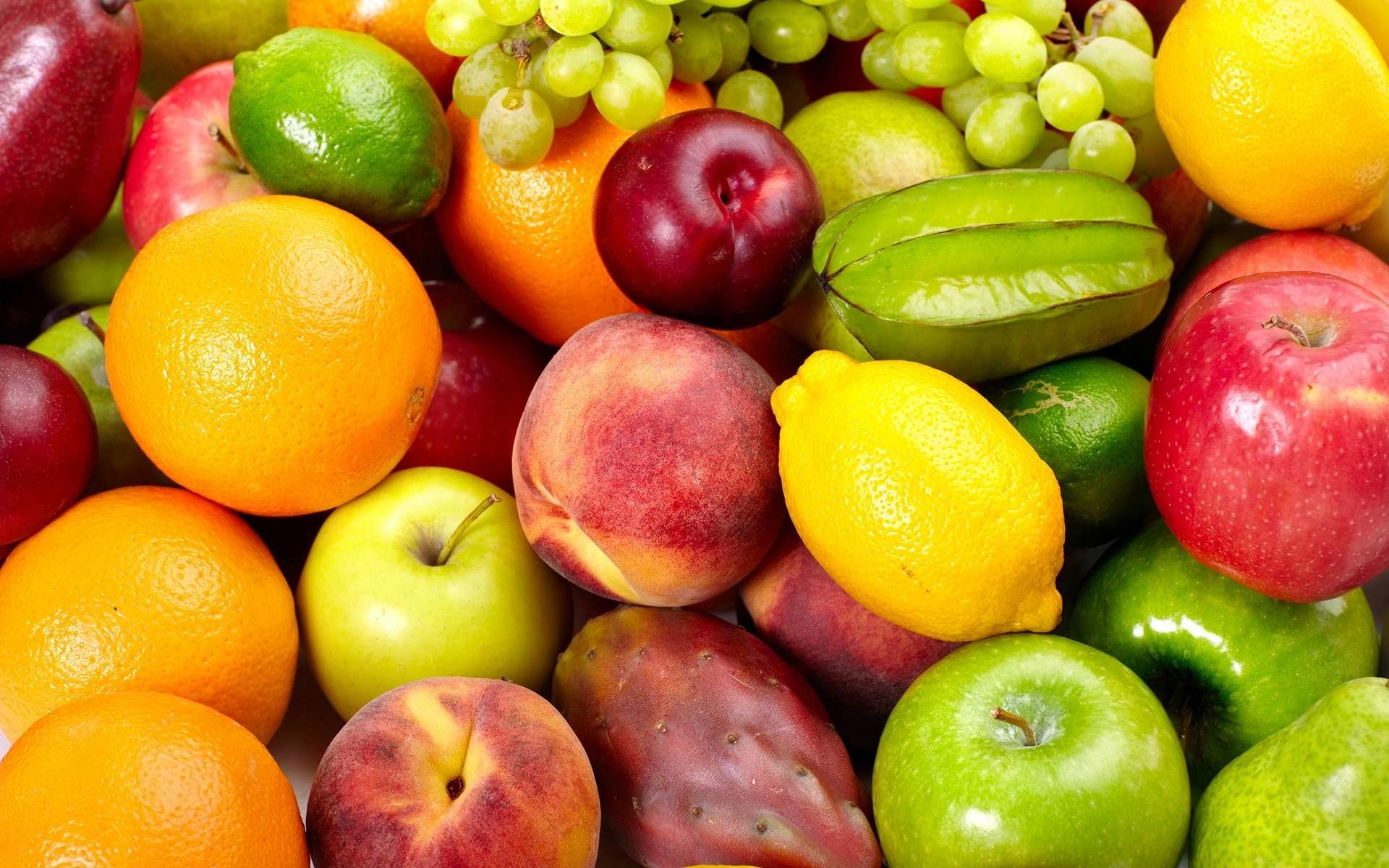 They are also believed to affect the body’s capacity to store fat, hunger levels and blood glucose levels and other issues such as IBS and constipation. Put simply, eat the diet that is which is low in FODMAP’s and you will not only improve your health, but you might also lose weight.
Seaweed Diet
Seaweed is a staple food for the majority of people in Asia. While it’s the bottom of the food chain it may be an answer to the global food shortages. There are more than 10,000 species of seaweed around the world including 630 in the UK. Only 145 varieties of green, red and brown seaweeds are being consumed as food. But research is continuing. Dr Craig Rose, the Seaweed Health Foundation executive director, also promotes seaweed’s benefits by stating “The best thing about seaweed, it grows at a phenomenal rate. It is the fastest-growing plant in the world. The use of seaweed in the UK is expected to increase rapidly”. Although the taste of seaweed differs from one species to another however, it shares a salty flavor and can be used in granular form to substitute salt in bread or processed foods. It is known that diets high in salt can result in high blood pressure, strokes and premature death. Therefore, including seaweed or products with seaweed as an alternative to salt is hugely beneficial.
Junk Food Diet
Yes, you have it right. Concerns over the rise in the consumption of convenience, however, extremely calorific fast food have caused companies to reconsider their plans for the future. Pepsi Co has appointed senior officials of the World Health Organisation to study ways in which they can alter their products to increase their nutritional value, while not altering their flavor. One of the companies most successful brand, Walkers, has had its salt levels cut by 25-55%, and saturated fats decreased by 70-80 percent. A new type of salt is scheduled for the in the near future. It is expected to dramatically reduce sodium levels while still maintaining the taste. Other companies like McVities, Nestle and Kraft Foods have also altered their products to suit the health-conscious consumer. Fast food chain McDonald’s is in the news for its’supersize policy. The company now lists the calories of all its products, and reduces the amount of saturated fat and calories in its products, creates chips using healthier oils, and has promotions such as “free fruit Friday,” which gives children a fruit basket in their Happy Meals. The good news is that there’s good news. Well, lower calories and saturated fats found in junk food means we can continue to eat our favorite, delicious treats without feeling guilty about how it is doing to our health as well as our waistlines.
 Nutricosmetics
Consider healthy, delicious foods that are rich in powerful ingredients that can provide nourishment to your skin and help fight wrinkles. Nutricosmetics is a new trend in diet. In America, Nestle have produced Glowelle Beauty Drinks, which are packed with antioxidants, phytonutrients, and botanical extracts from fruits to fight wrinkle-producing, skin-damaging free radicals caused by the sun and pollution. Japan is the first to try new ideas. They also have moisture-boosting soft-chews containing collagen and hyaluronic acids. There are also flavored marshmallows with collagen that are infused with fruit, chicken soup, and bean soup with collagen. The confectionery company, Mars, has been investigating the effects of nutricosmetics the year 2008 when they introduced flavenols and minerals to chocolate in conjunction with Dove Beautiful and Dove Vitalize, however they have yet to release these products to the market. Although these products are currently being sold across Europe and Asia, we predict 2016 will see an increase in the industry of nutricosmetics.
Lab Food Diet
We expect a rise in food products that have been genetically modified, which will be healthier and healthier due to advances in technology and science. Japanese scientists are currently experimenting with weight loss technology. This trick trick our brains into believing that we consume more calories than we actually do.
This year, Dutch scientists successfully produced in-vitro meat, also known as cultured or cultured meat in a lab rather than from an animal. The muscle tissue strips were created of cow’s stem cells. They’re very similar to calamari. The objective is to create the first “test-tube burger” at the end of this year. This means that a visit to a fast food restaurant in 2016 could be a very different experience. In a study recently carried out by Oxford University, scientists established that using ‘lab meat’, rather than relying on slaughtering animals, would result in less emissions of greenhouse gases and reduced energy and water usage. From a diet point of view, ‘lab meat’ and , in general, any other food product that is made in a lab could be modified to lower the fat content and include more nutrients.
Although the future of our meal plans aren’t clear however, we know there has to be a solution to address the obesity crisis which is currently affecting people in the First World.