Bad reviews tend to stay even for food items. A lot of people are hesitant to eat any beverage, fruit or other food item that causes negative publicity. Perhaps we indulge once in a while however, with a sense of guilt.
Take avocados and peanuts, for example. They were both adorned with the “F” symbol for too much fat not too long ago. But as avocados and peanuts were on many people’s bad-for-you lists, researchers discovered that the fat found in these two foods, mostly the monounsaturated type, is extremely good for the heart-and for general health. The good news doesn’t stop there. These foods are being studied by scientists as novel disease-fighting chemical compounds and health-related roles.
The “bad” image of common mushrooms is subtler. It is not considered to be unhealthy. But it is often dismissed as diet food, high in calories, but with nothing to boast about in terms of nutrition. The truth is that scientists have discovered that mushrooms are a source of powerful compounds that boost immune function and may combat cancer.
Scientists are now taking a look beneath the surface of mushrooms, avocados, and peanuts, eggs that were once criticized and coffee-redeeming characteristics for each of these five food items are being revealed. They have nutritional respect and deserve a place at your table. You can enjoy them all by themselves or as part of one of our delicious recipes.
1. Peanut butter
Misinformation: This creamy spread is a treat to enjoy sometimes, because it’s rich in calories and fats.
 The reason why it’s beneficial: At at least five studies have confirmed that peanuts’ consumption can reduce risk for coronary heart disease. It’s not a surprise that peanut butter offers the same benefits. “Suffice it to say that eating peanut butter or peanuts is associated with lower total cholesterol, lower ldl or ‘bad cholesterol levels, and lower triglycerides, all of which have been linked to reduced risk of cardiovascular disease,” says Richard Mattes, Ph.D., R.D., a professor of nutrition at Purdue University.
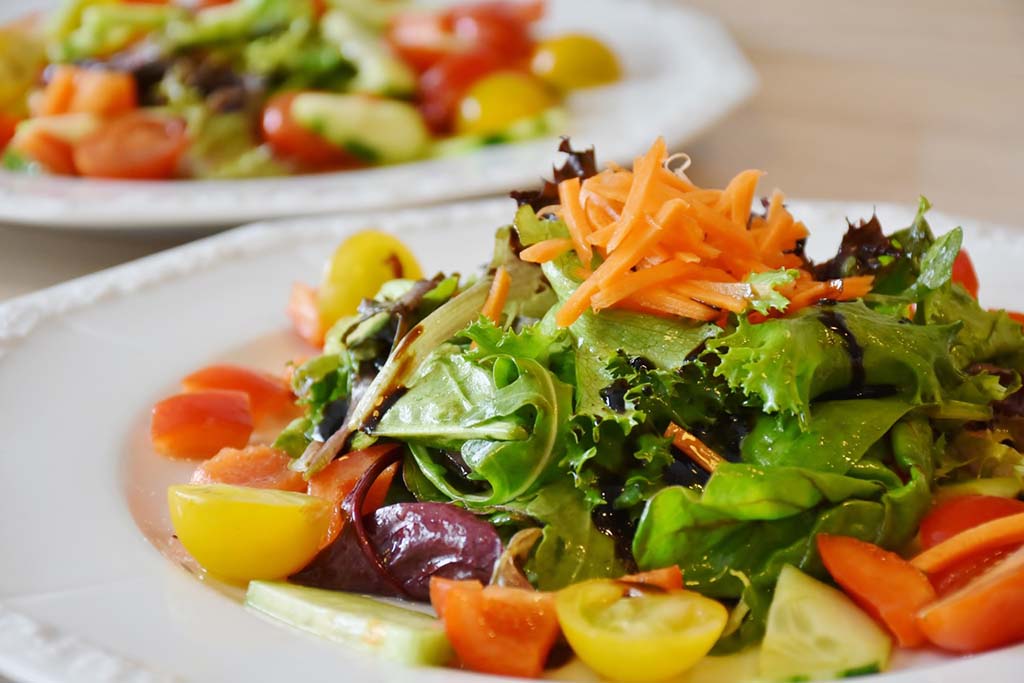
Vegetables are an energy-dense low calorie food. If you’re looking to lose weight, vegetables are the most nutritious food option to consume. It’s not required to engage in a strict vegetable-only diet, but increasing your vegetable intake will not only supply your body with much needed nutrients, but the fiber content will make you feel fuller and to reduce your caloric intake. You will lose more weight if you consume less calories.
- 1Increase the amount of vegetables in relation to other food items. When preparing for a meal, increase the vegetable portion. If your plate of food contains 1/3 meat, 1/3 carbs (such as potatoes, pasta, or rice) and 1/3 vegetables, you can change this ratio to 1/2 vegetables, 1/4 meat, and 1/4 carbs. If you’re still satiating your palate by eating dishes you love, you can modify portions to include more vegetables.
- 2A list of all the vegetables you have available to you. Compile a comprehensive list of all the vegetables you can find to avoid becoming bored of eating the same food each meal. Gardenology.com offers a comprehensive list of more than 50 vegetables. When you find that you’re running out of ideas for vegetables, pull out the list and get creative. The boredom issue can be avoided by eating a variety of different vegetables, which will increase your chances of sticking to the new habits you’ve established.
- 3Raw vegetables are the best. Certain nutrients and vitamins may be lost when vegetables are cooked. Raw vegetables provide the bulk needed to achieve the sensation of being satisfied to help you consume less food, which in turn helps you shed weight.
- 4Try new ways to cook vegetables. Raw vegetables are the ideal way to consume vegetables, however they are not for everyone. Try soups, broths, and sauteed vegetables. Cooks.com offers more than 2000 soup recipes for vegetables.
- 5Beware of strong sauces. A higher intake of vegetables can help you to lose weight as in the sense that you don’t diminish their benefits by drowning them in fat-rich sauces. Avoid too much butter, Hollandaise sauce, and thick cheese sauces.